





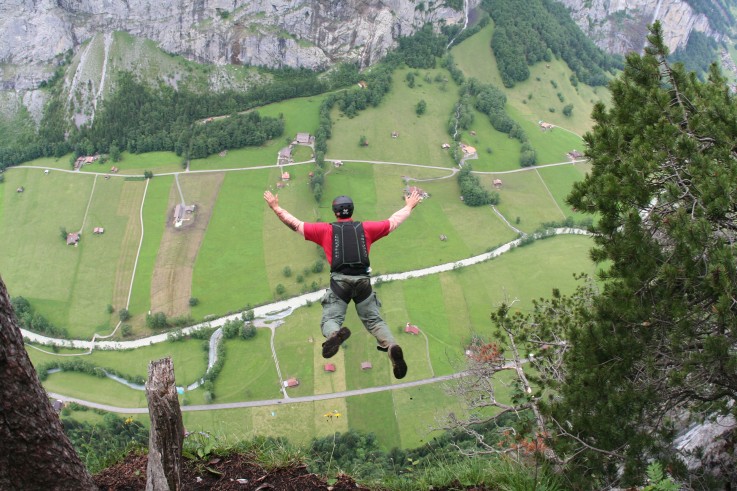


Towering cliffs. Hidden depths. Waterfalls like liquid light.
Towering cliffs. Hidden depths. Waterfalls like liquid light.
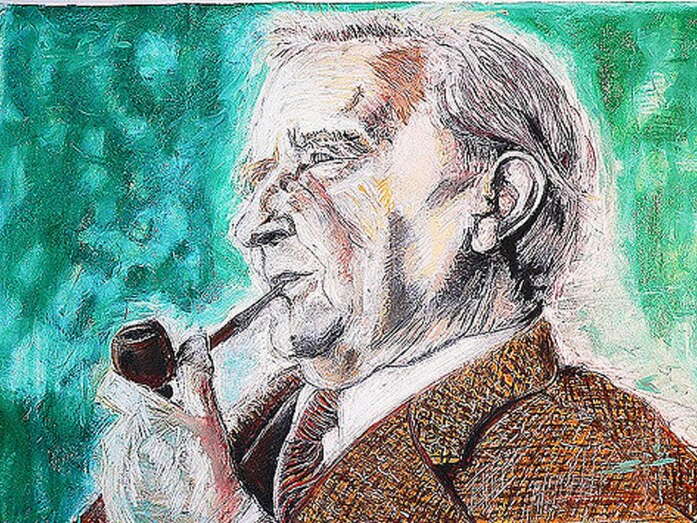
When J. R. R. Tolkien travelled through the Lauterbrunnen Valley in 1911, he encountered a landscape that would have a decisive influence on his work.
It was here that the inner image of Rivendell took shape – that Elvish refuge which, in The Lord of the Rings, stands for healing, wisdom and protection.
A place, shielded from the world and yet of overwhelming beauty.
Tolkien had never before – nor since – experienced a mountain world quite like it.
The Eiger, Mönch and Jungfrau rise above the valley.
In Tolkien’s fantasy world, they live on as Celebdil, Caradhras and Fanuidhol, the ‘Cloudy Head’.
And deep within the mountain, the echo of Khazad-dûm lingers – those stony halls and staircases of Moria, whose visions were shaped by the alpine impressions of this journey.
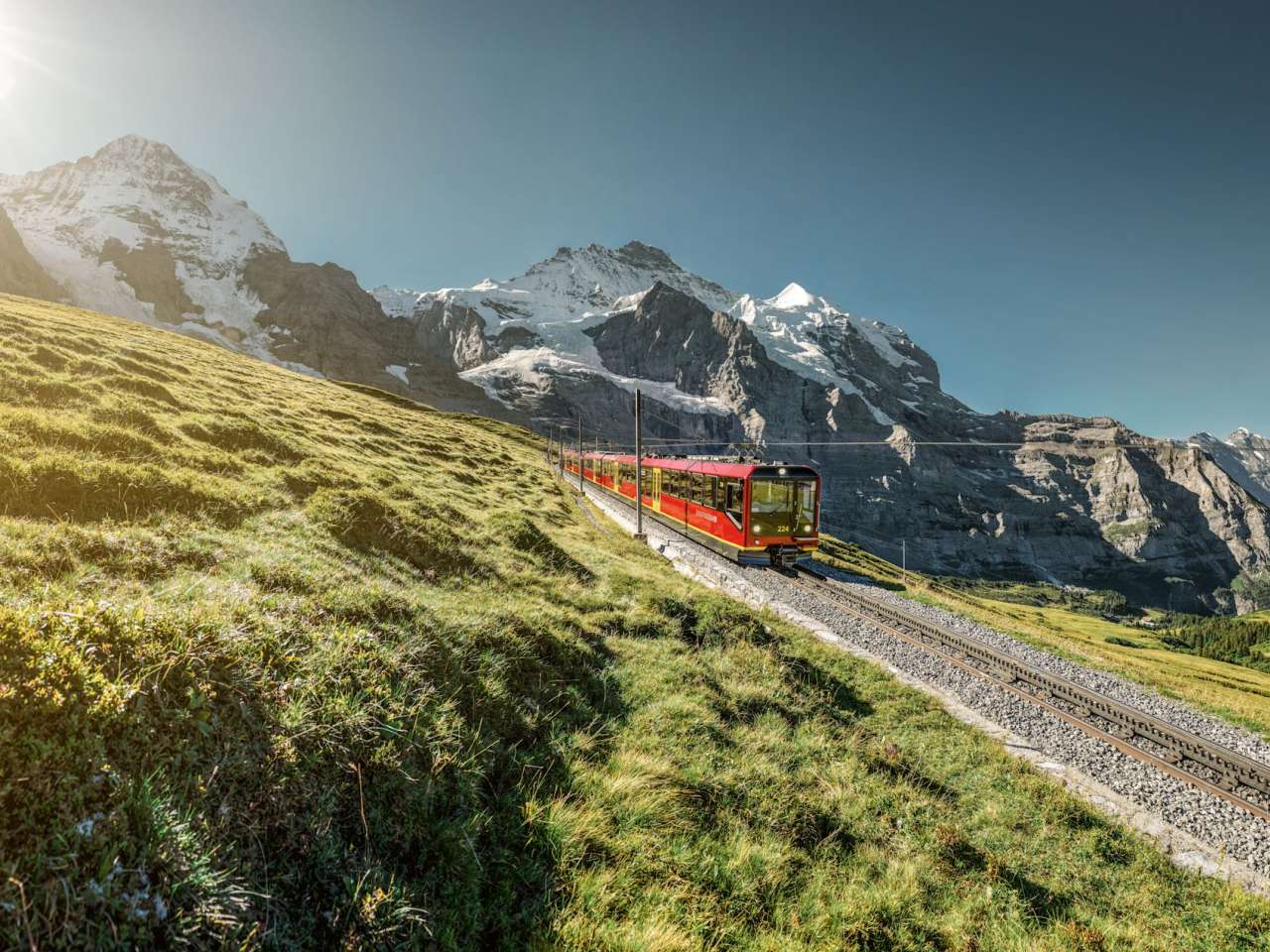
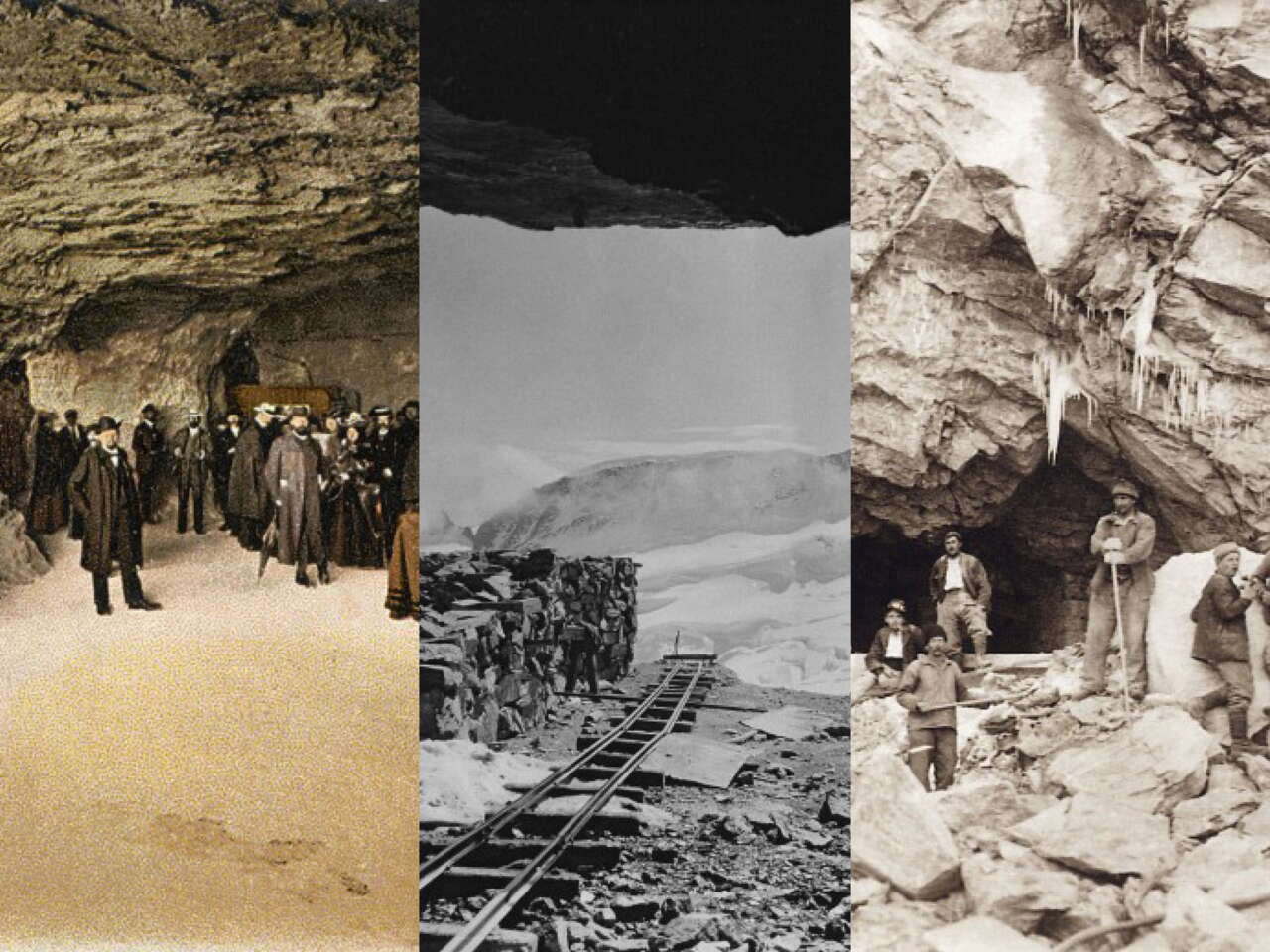
While Tolkien was here, the Jungfrau Railway was built – a marvel of engineering in the heart of the mountain.
The forces of nature and human courage met – a theme that also runs through Middle-earth.
The Lauterbrunnen Valley is not just a place.
It is a source.

…And then those wonderful days in the (Swiss) mountains. How much longer until I can see the snow and the high peaks again!
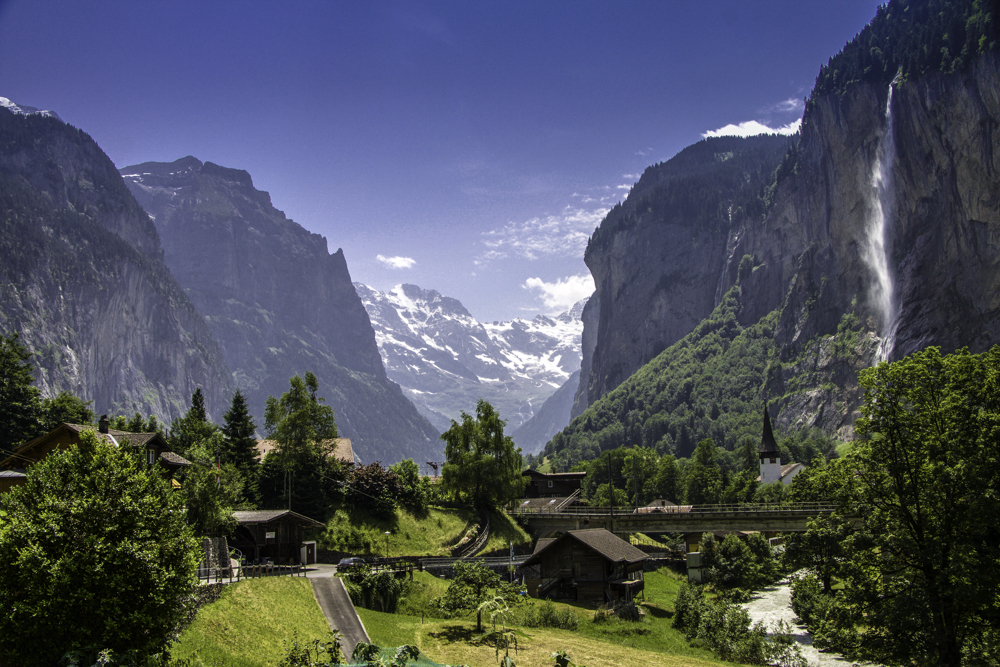
The three peaks above Moria
Their attempt to cross the mountains via Caradhras is thwarted by snow and a storm. The fellowship turn back and choose the route through the Mines of Moria – a decision with grave consequences.
Sheltered within the Jungfrau Railway, modern travellers traverse the Eiger and the Mönch – a journey through the heart of the mountain that seems almost otherworldly.
What has become technically possible here evokes that tension between the forces of nature and human daring that also pervades Tolkien’s landscapes – albeit without magic and without the shadow of a Saruman.
Celebdil, also known as the Silver Peak, is a mountain in the Misty Mountains and one of the three peaks overlooking the Mines of Moria, alongside Caradhras and Fanuidhol.
There is no documented direct counterpart in the real world; yet the forms of the Alpine landscape – particularly the Silberhorn as a secondary peak of the Jungfrau – are frequently associated with Tolkien’s vision.
Tolkien himself spoke of a "Silver Peak of my dreams" – an image that refers less to a single model than to a condensed memory of Alpine impressions, such as those he may have encountered during his journey in 1911.
The largest and most famous of all the Dwarf-realms is Khazad-dûm, later known as the Mines of Moria.
There is no documented real-world inspiration for it; yet its vast halls and underground structures are often interpreted as reflecting Tolkien’s impressions of the Alps.
As the Fellowship stands before the snow-covered passes of the Misty Mountains, they have no other choice:
The Ring-bearer and his companions choose the path through Moria.
There, in the depths of the abandoned halls, lies an ancient being – the Balrog – whose awakening turns their journey into a deadly ordeal.
Not everyone agrees with this decision: Gandalf, in particular, is deeply reluctant.
The image of a mountain criss-crossed by stone halls, staircases and endless corridors is one of the most striking in Tolkien’s Legendarium.
No specific real-life model can be identified; yet it is striking that during Tolkien’s 1911 journey through Switzerland on the Jungfrau Railway, a major engineering project was underway inside the mountain.
This encounter with rock, depth and human intervention may have contributed to the vivid imagery that found its literary form in Khazad-dûm – less as a direct model, and more as a lingering impression of an extraordinary landscape.
… I remember my first trip to Switzerland very vividly. I was 19 years old and about to go to Oxford. We were a group of roughly the same size as Bilbo’s and had very similar adventures, including sleeping rough, simple meals and a narrow escape from disaster.
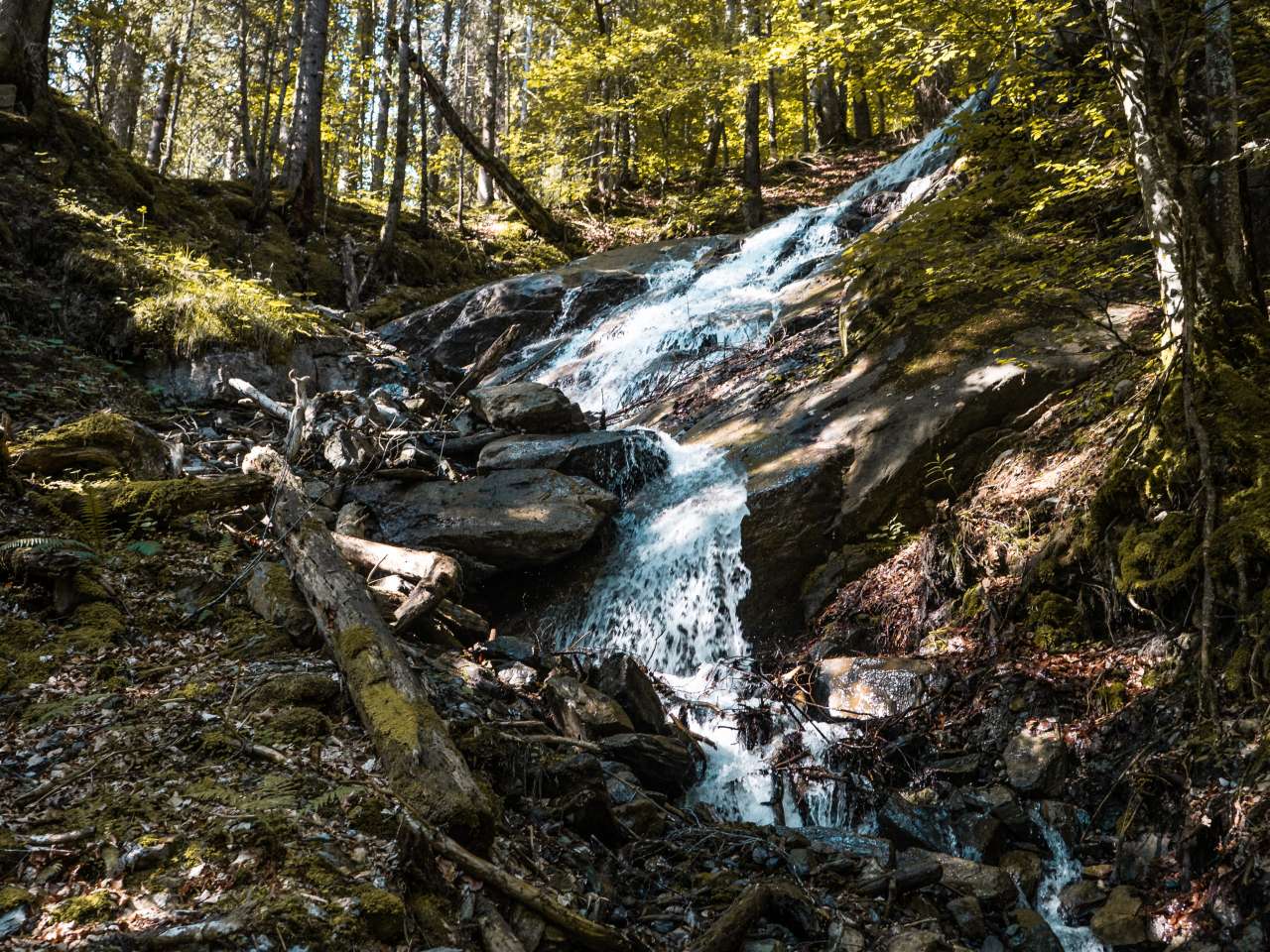
Where forests begin to speak.
Between the tranquil groves around Oxford and the rugged slopes of the Lauterbrunnen Valley, a bond grew that runs deeper than words can express.
When J. R. R. Tolkien wandered through this landscape in 1911, he encountered not only mountains and waterfalls – but a natural world that spoke through both its power and its silence.
An experience that further nourished his love of trees – and echoes in his stories.
Seven meals a day?
For hobbits, that’s perfectly normal – and after a hike in the Lauterbrunnen Valley, it suddenly doesn’t seem so far-fetched at all.
The day draws to a close, but the story continues.
The Lauterbrunnen Valley left a lasting impression on Tolkien. Decades later, he was still drawing on it in his works.
More information
Jungfraujoch- Top of Europe
More information
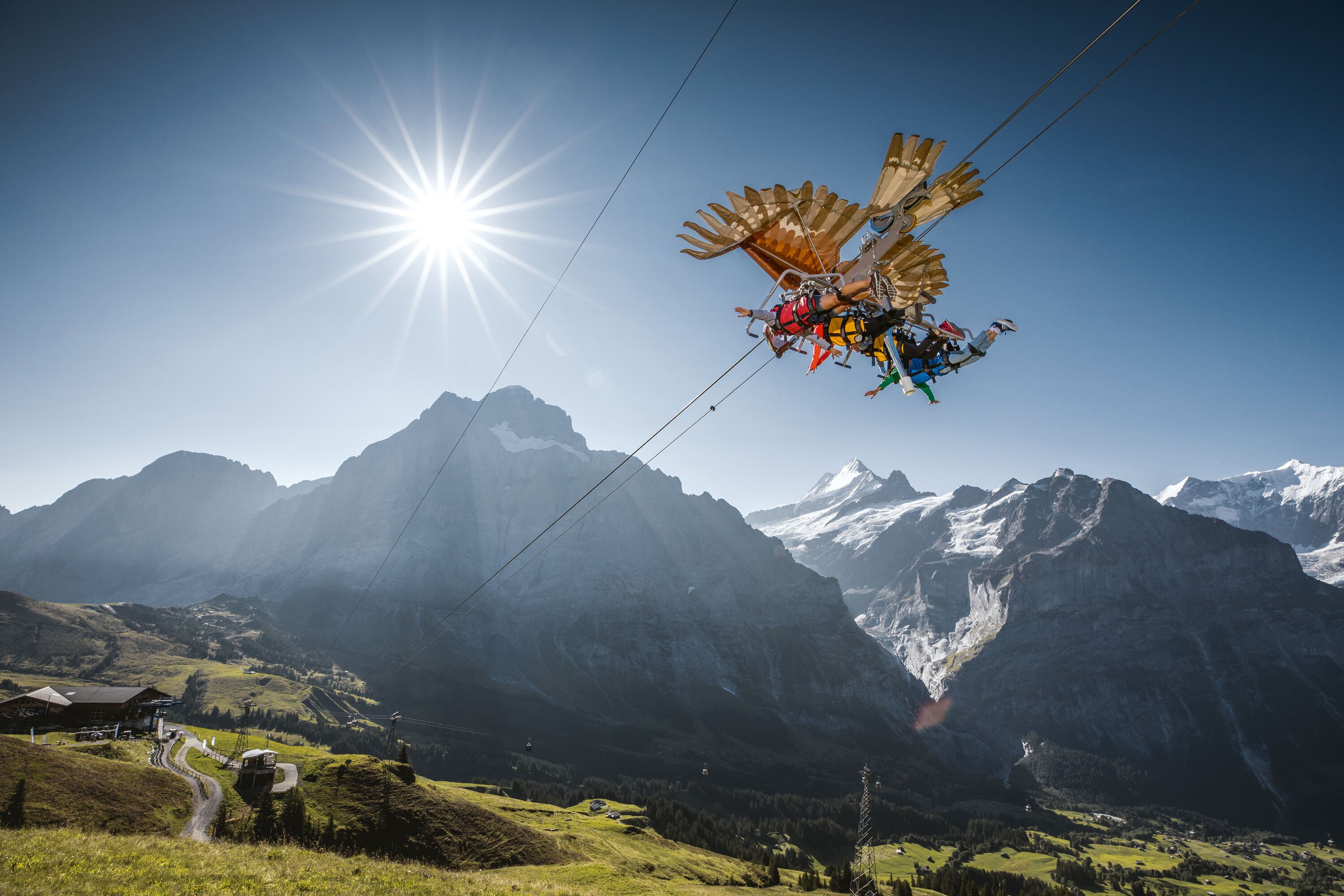
The eagles are coming: First Glider
More information
Trümmelbach Waterfalls
More information
Anyone wishing to delve deeper into the world of Rivendell will find a detailed description of this special place on Ardapedia: https://www.ardapedia.org/wiki/Bruchtal
There is a portal on the subject of Tolkien and Switzerland at: www.tolkien-schweiz.ch
A TV report on the subject: https://www.srf.ch/kultur/gesellschaft-religion/j-r-r-tolkien-und-die-schweiz-vier-herr-der-ringe-wandertipps-fuer-daheimgebliebene
A book on the subject of the Swiss tour: https://msmonsch.ch/
Contact
Jungfrau Region Tourismus AG
Kammistrasse 13
CH-3800 Interlaken
Tel. +41 33 521 43 43
info@jungfrauregion.swiss


